
Introduction to Textured Hair Care
Managing natural textures like waves, curls, and coils requires a clear understanding of moisture, hold, and weather conditions. Across many regions in India, daily climate fluctuations—ranging from monsoon humidity to dry winter air—present specific challenges for maintaining healthy hair definition. When exploring modern options for textured hair, the moxie beauty curl cream has emerged as a notable contender for those seeking definition and moisture without excessive weight.
Textured hair is inherently drier than straight hair because natural oils produced by the scalp travel down a spiral path with greater difficulty. As a result, finding the right leave-in styler is essential to prevent moisture loss, manage frizz, and maintain curl structure throughout the day. This guide breaks down how curl styling creams function, how to evaluate hair porosity, and how to build a practical routine for optimum hair health.
Understanding Textured Hair Dynamics in Variable Climates
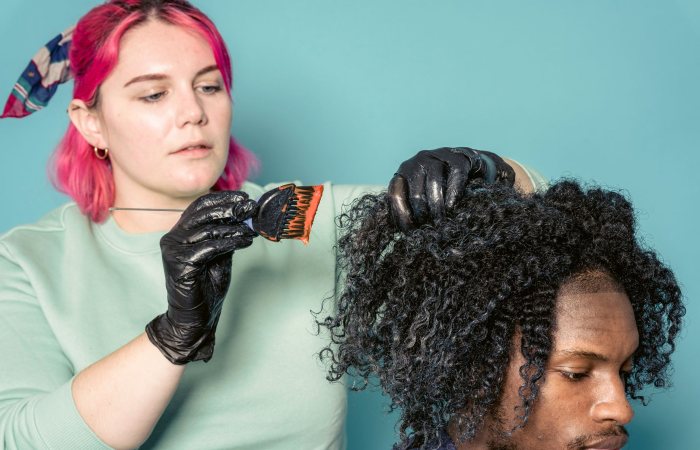
Hair structure varies significantly from person to person. While pattern classification (ranging from 2A waves to 4C coils) offers a general visual reference, functional hair qualities like porosity, density, and strand thickness determine how products perform on a daily basis.
Porosity and Moisture Retention
Porosity refers to how easily your hair absorbs and retains moisture. It is generally grouped into three main categories:
- Low Porosity: Hair cuticles are tightly packed. Moisture is difficult to absorb, but once inside, it stays locked in. Heavy products can sit on top of low porosity strands, creating greasy build-up.
- Medium Porosity: Cuticles are moderately open, allowing moisture to enter easily and stay balanced. This type adapts well to most leave-in formulations.
- High Porosity: Cuticles are raised or damaged due to chemical processing, heat styling, or environmental factors. Moisture enters quickly but escapes just as fast, requiring richer formulations with sealing emollients.
Understanding how the moxie beauty curl cream behaves across different porosity levels helps in setting realistic expectations. High porosity hair often requires a layer of sealant over the cream, whereas low porosity hair benefits from applying cream onto soaking wet strands to aid absorption.
The Impact of Humidity and Hard Water
Climate plays an influential role in curl performance. In humid conditions, atmospheric moisture enters the hair shaft, causing strands to swell and disrupt the natural curl grouping, which leads to unwanted frizz. Conversely, dry winter climates strip humidity from the hair, leaving curls brittle.
Additionally, many Indian cities supply hard water rich in calcium and magnesium. These minerals can accumulate on hair cuticles, blocking moisture absorption and making styling products feel tacky or ineffective. Incorporating a periodic clarifying shampoo helps clear mineral deposits so styling creams can penetrate effectively.
Formulation Principles: What Makes a Curl Cream Work?

A well-balanced curl cream combines hydration with mild styling polymer support. Unlike heavy hair oils or strong-hold styling gels, a curl cream serves primarily as an emollient-rich conditioner that remains in the hair to soften and define.
Emollients versus Humectants
The core mechanics of curl styling rely on two primary categories of ingredients:
- Humectants: Ingredients such as glycerin, propylene glycol, and aloe vera draw water from the environment into the hair shaft. In moderate humidity, humectants keep hair plump and elastic. However, in extreme humidity, excess moisture absorption can lead to volume expansion, while in dry air, humectants may draw moisture out of the strand.
- Emollients and Plant Oils: Ingredients like shea butter, argan oil, and jojoba oil coat the cuticle layer. They smooth down rough outer scales, seal in hydrated moisture, and provide a soft sheen without leaving a harsh cast.
A balanced product combines humectants for internal flexibility alongside emollients to prevent rapid moisture loss. Incorporating the moxie beauty curl cream into a routine requires adjusting the technique based on your specific curl pattern and moisture balance needs.
Step-by-Step Application Framework
Product performance depends heavily on application technique. Even high-quality formulas can lead to flat, weighed-down, or frizzy outcomes if applied incorrectly. The following structured method provides reliable definition for wavy and curly patterns.
1. Preparation on Wet Hair
Apply styling products to soaking wet or damp hair directly after washing. Water acts as the primary vehicle for distributing emulsified creams evenly across every strand. Applying styling products to dry or semi-dry hair often results in uneven distribution and clumping.
2. Sectioning and Quantity Control
Divide hair into two to four manageable sections using soft clips. Start with a small amount of cream—roughly the size of a pea per section for fine hair, or a coin size for thicker textures. Rub the cream between your palms to emulsify it before smoothing it over your strands.
3. Distribution Techniques
Choose an application method suited to your desired outcome:
- Praying Hands Method: Smooth your hands along the length of each section to flatten the cuticle and reduce surface frizz. This works particularly well for looser waves and type 3 curls.
- Raking Method: Pass your fingers through hair sections like a comb to break up large clumps and ensure thorough coverage from mid-lengths to ends.
- Finger Coiling: Wrap individual curl sections around your finger to encourage uniform shape and structure, ideal for areas with uneven curl patterns.
4. Scrunching and Excess Water Removal
Once distributed, cup your hands under the ends of your hair and gently scrunch upwards toward the scalp. This action encourages the natural pattern to group together. Use a microfibre towel or cotton T-shirt to gently squeeze out surplus moisture and excess cream, avoiding rough friction that causes surface breakage.
5. Drying Options
Air drying preserves natural movement and reduces thermal exposure, though it requires longer drying time in humid settings. Alternatively, use a hairdryer with a diffuser attachment on medium heat and low speed. Hover the diffuser around the roots first to establish volume, then gently cradle the ends to set definition.
Styling Product Comparison Matrix
Choosing the right styler depends on your hair’s need for hydration versus structural support. The table below outlines how different styling categories function within a textured hair care routine.
| Product Type | Moisture Level | Hold Strength | Primary Function | Ideal Hair Profile |
|---|---|---|---|---|
| Curl Cream | High | Light to Medium | Hydrates, softens cuticles, and defines natural clumps. | Medium to coarse curls; dry or high porosity hair. |
| Styling Gel | Low to Moderate | Medium to Strong | Creates a protective cast to hold shape and control frizz. | All curl patterns requiring long-lasting hold. |
| Leave-In Conditioner | Very High | None | Provides lightweight daily moisture and improves detangling. | Fine or low porosity hair needing weightless hydration. |
| Hair Mousse / Foam | Moderate | Light to Medium | Adds root volume and soft shape without extra weight. | Wavy (Type 2) hair and fine, limp curls. |
| Styling Butter | Extremely High | Low | Seals heavy moisture into thick, tightly coiled patterns. | Coarse, thick Type 4 hair and protective styles. |
Troubleshooting Common Styling Issues
Even with structured routines, adjustments are often necessary. Here is how to correct common issues encountered during curl styling:
Lack of Hold or Quick Frizz Return
If your curls lose definition within a few hours, your hair may need additional hold support. While a curl cream offers softness and moisture, it may not create a strong protective film against atmospheric humidity. Layering a light gel over your cream creates a cast that preserves definition throughout the day.
Flaking or White Residue
Residue occurs when product components react negatively with one another, or when product is applied to insufficiently wet hair. To test compatibility, mix a small drop of your leave-in, curl cream, and gel in your palm. If the mixture turns cloudy or forms tiny clumps, the products may flake when combined on your hair.
Limp, Flat Roots
Applying rich creams directly onto the scalp or upper roots can weigh hair down and clog hair follicles. Keep styling creams focused from mid-lengths to ends. Use lightweight foams or root-lifting clips at the crown to preserve natural volume.
Maintaining Curl Health Between Wash Days
Maintaining defined curls between wash days reduces the need for frequent washing and restyling. Here are realistic steps for multi-day upkeep:
- Nighttime Protection: Sleep on a silk or satin pillowcase, or gather hair into a loose, high ponytail (often called a pineapple) using a soft satin scrunchie. Satin reduces surface friction and prevents moisture absorption into cotton fabric.
- Morning Refreshing: Instead of rewashing, mist hair lightly with a fine water spray. Smooth a tiny pea-sized amount of cream diluted with water over frizzy areas to reactivate styling ingredients.
- Scalp Care: Keep your scalp clean by scheduling regular wash intervals based on your activity level and scalp oil production. Avoid applying cream directly to the scalp to minimise build-up.
Frequently Asked Questions
Can curl cream be used on wavy hair?
Yes. Wavy hair (Type 2) can benefit from curl creams, provided a conservative amount is used. Apply sparingly onto soaking wet hair to avoid flattening natural wave movement.
Is a styling gel necessary after applying a curl cream?
It depends on your desired outcome and local weather. A curl cream provides soft definition and hydration. If you live in high humidity or want multi-day hold, adding a styling gel over the cream helps lock in the shape.
How often should you reapply curl cream?
Curl cream is best applied on clean, damp hair after washing. Reapplying daily without washing can build up on the hair shaft. For mid-week refreshes, use a mist of water to reactivate existing product rather than applying full extra layers.
Will curl cream change my natural hair pattern?
No product changes your genetic hair texture. A curl cream enhances and supports the natural pattern you already have by delivering hydration and improving strand grouping.
Conclusion
Finding an effective balance for textured hair requires attention to porosity, application technique, and environmental conditions. Whether you use the moxie beauty curl cream on its own or layered with a light gel, consistency in application remains key. Focus on proper hydration on wet hair, protect your strands at night, and adjust quantities based on your unique strand density for consistent, healthy results.
Related Guides
Explore more useful resources related to this topic:
- How to Choose and Layer the Right Derma Co Serum for Your Skin Concerns
- Beauty of Joseon Glow Serum: Ingredients, Skin Compatibility, and Routine Guide
- Paris Fashion Week 2026: Tech Innovations, Smart Textiles, and Digital Runways
- The Digital Renaissance of the Mookuthi: How Technology Empowers Artisanal Craftsmanship