
Hyperpigmentation, persistent sun damage, and dark spots left behind after acne flare-ups are among the most common skincare concerns. As interest in active dermatological formulations grows across India, many people are turning away from general face creams in favour of targeted serums. Among these products, the derma co kojic acid serum has gained significant attention for its focused approach to clarifying discolouration and balancing uneven skin tone.
Understanding how active topical serums work requires a close look at ingredient mechanics, concentrations, barrier health, and routine integration. Selecting the correct skincare step relies heavily on identifying whether your main focus is dark spot reduction, texture refinement, or general prevention. This detailed guide breaks down how kojic acid functions, how to build a routine around it, and what practical steps ensure safe usage.
Understanding Active Ingredients in Hyperpigmentation Care
Treating hyperpigmentation effectively requires ingredients that interfere with excessive melanin production without causing severe irritation to the skin barrier.
The Role of Kojic Acid
Kojic acid is a natural compound derived from various fungi as well as fermented foods like sake and soy sauce. In dermatological formulations, it acts as a tyrosinase inhibitor. Tyrosinase is the primary enzyme responsible for converting amino acids into melanin. By dampening this enzymatic reaction, kojic acid helps lighten existing brown spots, sun spots, and post-inflammatory hyperpigmentation, while simultaneously curbing new discolouration.
Complementary Actives: Alpha Arbutin and Niacinamide
Modern cosmetic formulations rarely rely on a single active ingredient to treat stubborn dark spots. Serums often combine complementary actives to target multiple pathways of pigment formation:
- Alpha Arbutin: A gentle derivative of hydroquinone that works by slowly releasing active agents that suppress melanin synthesis without harsh side effects.
- Niacinamide (Vitamin B3): A multi-tasking ingredient that reduces skin inflammation, reinforces the lipid moisture barrier, and inhibits the transfer of pigment cells to the upper layers of skin.
When looking closely at the derma co kojic acid serum, its formulation combines target actives designed to work synergistically against uneven pigmentation while keeping the skin barrier calm and hydrated.
Key Benefits and Skin Suitability Framework
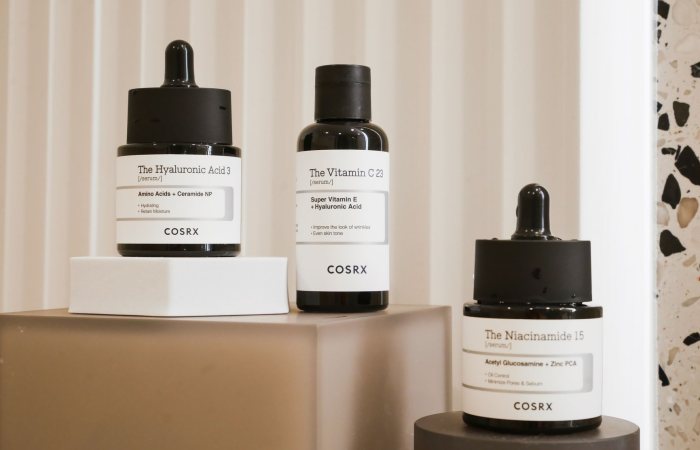
Before introducing any active treatment into a daily skincare regimen, evaluating skin type suitability is vital for achieving positive outcomes without triggering reactive redness.
Primary Target Concerns
- Post-Acne Hyperpigmentation (PIH): Dark spots left behind after inflamed acne spots heal.
- Sun Spots and Solar Lentigines: Freckles and dark patches resulting from cumulative exposure to ultraviolet radiation.
- Uneven Skin Tone: Patchy, dull areas across the cheeks, forehead, or chin.
Limitations and Precautions
While targeted serums offer distinct advantages, they are not universal solutions for every condition. Individuals with an active eczema flare-up, severely compromised skin barriers, or hypersensitivity should hold off on using strong active concentrates. Initial side effects may include mild tingling, slight warmth, or temporary dryness during the first week of application.
Decision Matrix: Is This Serum Right for Your Skin Goal?

Use the following decision matrix to assess whether adding a specialized kojic acid treatment fits your current skin needs and daily habits.
| Skin Goal / Condition | Suitability Level | Key Recommendation |
|---|---|---|
| Stubborn Dark Spots & PIH | High | Ideal for targeted daily use under moisturizer. |
| Sun Damage & Patchiness | High | Pair with daily broad-spectrum sunscreen. |
| Active Inflamed Cystic Acne | Moderate / Low | Clear active breakouts first before treating dark spots. |
| Compromised Skin Barrier | Low | Focus on barrier repair products prior to introducing actives. |
How to Incorporate the Serum into Your Daily Routine
Integrating the derma co kojic acid serum into a daily regimen requires a balanced, structured approach to secure skin clarity while avoiding irritation.
Step-by-Step Application Process
- Perform a Patch Test: Apply 2 drops to the inner arm or behind the jawline. Observe the test patch for 24 to 48 hours to confirm there is no severe redness, burning, or swelling.
- Cleanse Gently: Wash the face with a mild, sulphate-free cleanser using lukewarm water. Avoid abrasive scrubs or harsh cleansing brushes.
- Dispense Serum: Apply 3 to 4 drops onto clean, slightly damp skin. Gently press the liquid across your face and neck, focusing on regions with visible discolouration. Avoid dragging or rubbing aggressively.
- Moisturise Thoroughly: Apply a hydrating, barrier-supportive moisturiser containing ceramides, glycerin, or hyaluronic acid to seal in moisture.
- Apply Sunscreen (Morning Routine): During daytime use, always end your routine with a generous layer of broad-spectrum sunscreen (SPF 30 or higher). Brightening actives make the skin slightly more sensitive to solar rays, making UV protection imperative.
Ingredient Compatibility Guidelines
To avoid over-exfoliation and skin distress, pay attention to which actives you combine within the same application window:
- Safe Combinations: Hyaluronic acid, ceramides, niacinamide, and gentle hydrating toners.
- Exercise Caution: Direct AHA/BHA exfoliants (such as glycolic acid or salicylic acid peels) should be used on alternate nights rather than stacked simultaneously.
- Avoid Direct Mixing: Strong prescription retinoids or concentrated pure Vitamin C (L-ascorbic acid) should generally be applied in separate routines (e.g., Vitamin C in the morning, retinoid at night) to preserve barrier integrity.
Comparing Common Brightening Actives
Different brightening agents operate through distinct biological mechanisms. The table below outlines how kojic acid compares to other prominent topical options available in modern skincare.
| Ingredient | Primary Function | Tolerance Level | Best Used For |
|---|---|---|---|
| Kojic Acid | Inhibits tyrosinase enzyme activity | Moderate | Fading dark spots and post-acne marks |
| Alpha Arbutin | Slows melanin production via hydroquinone glycoside | High | Gentle, gradual fading of uneven patches |
| Vitamin C (L-Ascorbic Acid) | Antioxidant that neutralises free radicals and brightens | Moderate to Low | Daytime environmental protection and radiance |
| Niacinamide | Prevents pigment transfer to outer skin layers | Very High | Overall tone balance and barrier maintenance |
Frequently Asked Questions
How long does it take to see noticeable improvements in dark spots?
Skin cell turnover typically takes between 28 to 40 days depending on age and individual physiology. Consistent application of active treatments alongside strict daily sunscreen use usually yields visible refinements in spot intensity within 4 to 8 weeks.
Can this serum be used both morning and evening?
Yes, though beginners should start with once-daily application, preferably in the evening. Once your skin demonstrates tolerance over two weeks, you can expand usage to twice daily, ensuring adequate sun protection is applied every morning.
Will dark spots return if usage is discontinued?
If the root triggers of hyperpigmentation—such as unprotected sun exposure, hormonal imbalances, or repeated acne inflammation—remain unmanaged, discolouration can reappear over time. Maintaining daily sunscreen habits and a consistent maintenance routine is essential for preserving results.
When selecting the derma co kojic acid serum for daily use, is a patch test mandatory?
Yes, performing a patch test is strongly recommended for all active dermatological serums. Testing on a small area allows you to detect potential sensitivity to kojic acid or accompanying ingredients before full facial application.
Summary and Practical Recommendations
Managing hyperpigmentation effectively requires a combination of patience, proper ingredient pairing, and consistent daily care. Fading stubborn spots is a gradual process tied directly to your skin natural turnover cycle. By following a structured application routine, the derma co kojic acid serum can serve as a practical, focused component in addressing uneven tone, reducing post-acne marks, and restoring overall skin clarity. Always place barrier health and reliable daily sunscreen protection at the center of your skincare strategy for durable, long-term results.
Related Guides
Explore more useful resources related to this topic: